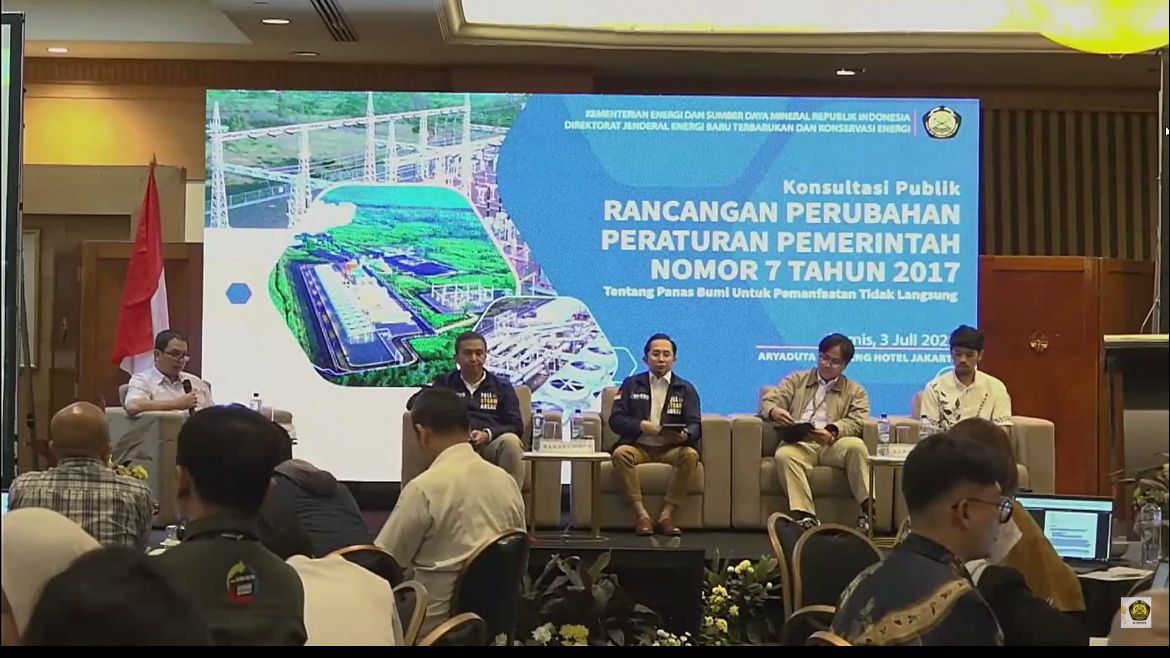
Indonesia continues to increase the share of renewable energy, including geothermal, in its national energy mix as part of its efforts to strengthen energy security. Under the 2025-2034 Electricity Supply Business Plan (RUPTL), the country is targeting to reach 69.5 gigawatts (GW) power generation capacity, of which 5.2 GW is expected to come from geothermal energy. As part of this commitment, the Indonesian government is also targeting and additional 1.2 GW capacity by 2029.
The journey toward energy transition is not only about building new infrastructure; it also depends on having policies that are responsive to future needs. With this in mind, the Government of Indonesia remains committed to creating an enabling environment that supports the accelerated development of geothermal energy, including through strengthening regulatory frameworks.
As part of its support to Indonesia’s geothermal development journey, the New Zealand Government, through the Indonesia-Aotearoa New Zealand Geothermal Energy Programme (PINZ), has provided technical support to the Directorate of New Renewable Energy and Energy Conservation (EBTKE) of the Indonesian Ministry of Energy and Mineral Resources (MEMR) to strengthen the policy framework for geothermal development regulated under the Government Regulation No.7 of 2017.
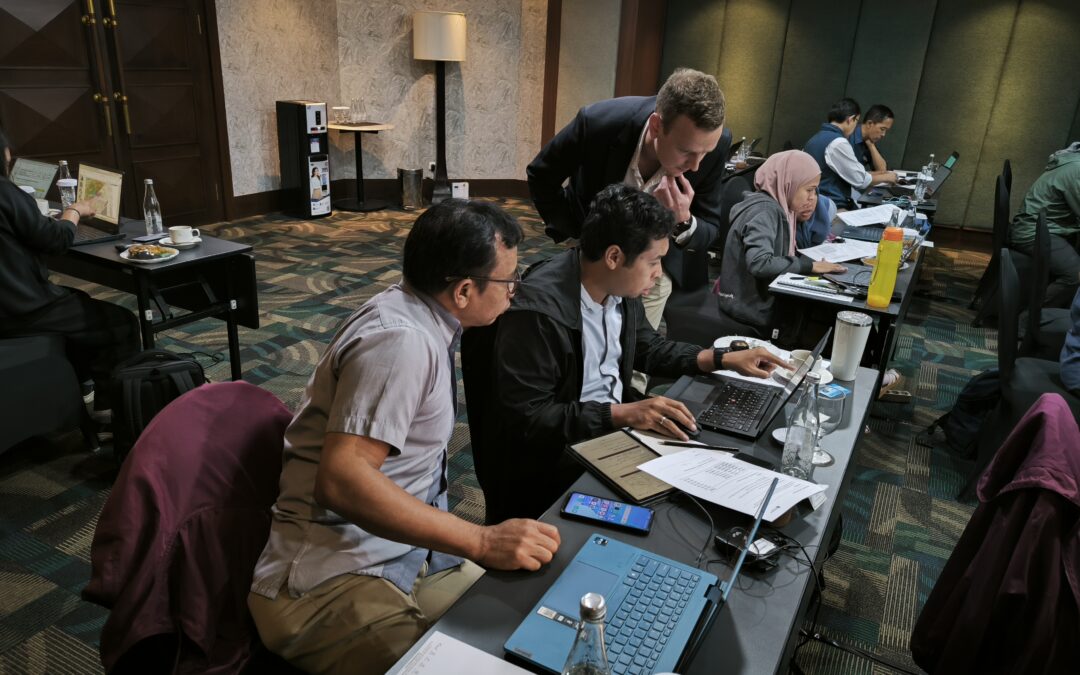
Throughout most of 2025, the PINZ and Jacobs teams worked closely and consistently to provide technical support and recommendations that aim to support geothermal projects can be carried out more efficiently, remain attractive to investors, be environmentally responsible, provide mutual benefits to society, and strengthen the nation’s economy. The engagement was both a substantial effort and an important opportunity for PINZ to contribute to Indonesia’s geothermal policy development while sharing New Zealand’s experience in the sector.
The recommendations highlighted four key areas. First, they focused on streamlining the regulatory framework related to tenders and assignment of working area, as well as improved data management. Second, they emphasised strengthening social and environmental principles. The regulatory updates champion a “People-Planet-Profit” approach, aiming to improve the environmental and social safeguards. They also emphasizes the importance of continuous engagement, including integrate gender equality and social inclusion since in project planning stage. Third, they highlighted the need to enhance flexibility and innovation regulatory framework related to Enhanced Geothermal System (EGS) and mineral recovery. Finally, the recommendation recognised the economic value of carbon from geothermal development.
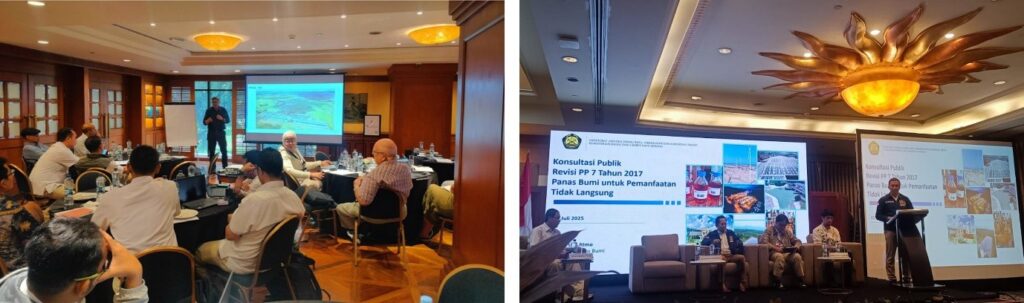
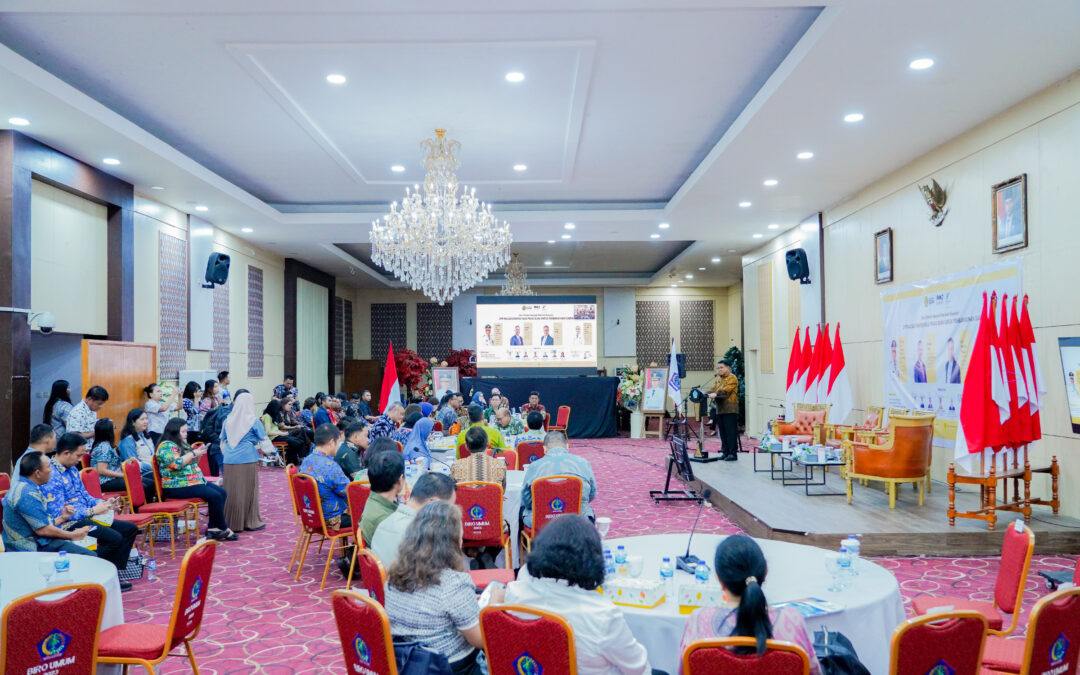
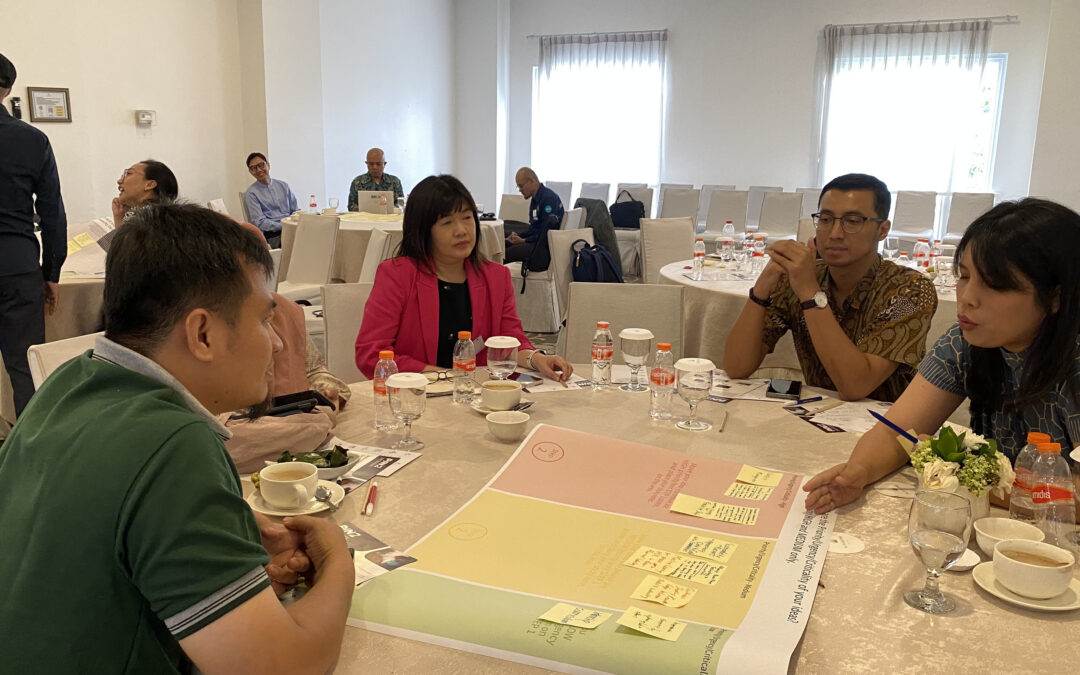
Left: PINZ, through Jacobs, shares about the ecosystem in Mokai Power Plant, New Zealand, as part of a sharing session of New Zealand’s experiences in geothermal development. Right: Gigih Udi Atmo, Director of Geothermal at the MEMR, delivers his remarks at the panel discussion session in the Public Hearing session (Photos: Jacobs).
The recommendations were developed through series of intensive discussions, including regular technical meetings among the teams, public hearing, and sharing session on geothermal energy policy transformation. At the end of this process, the jointly agreed recommendations were presented as input to support the drafting of the updated regulation.
Ultimately, this effort represents more than simply updating an existing regulation. It is a strategic step toward accelerating geothermal development and power production in Indonesia, while also creating a more attractive, sustainable, and inclusive environment. With more adaptive regulations in place that answer the needs for future development, the geothermal sector would be able to play even greater role in supporting Indonesia’s decarbonisation goals and long-term energy security.