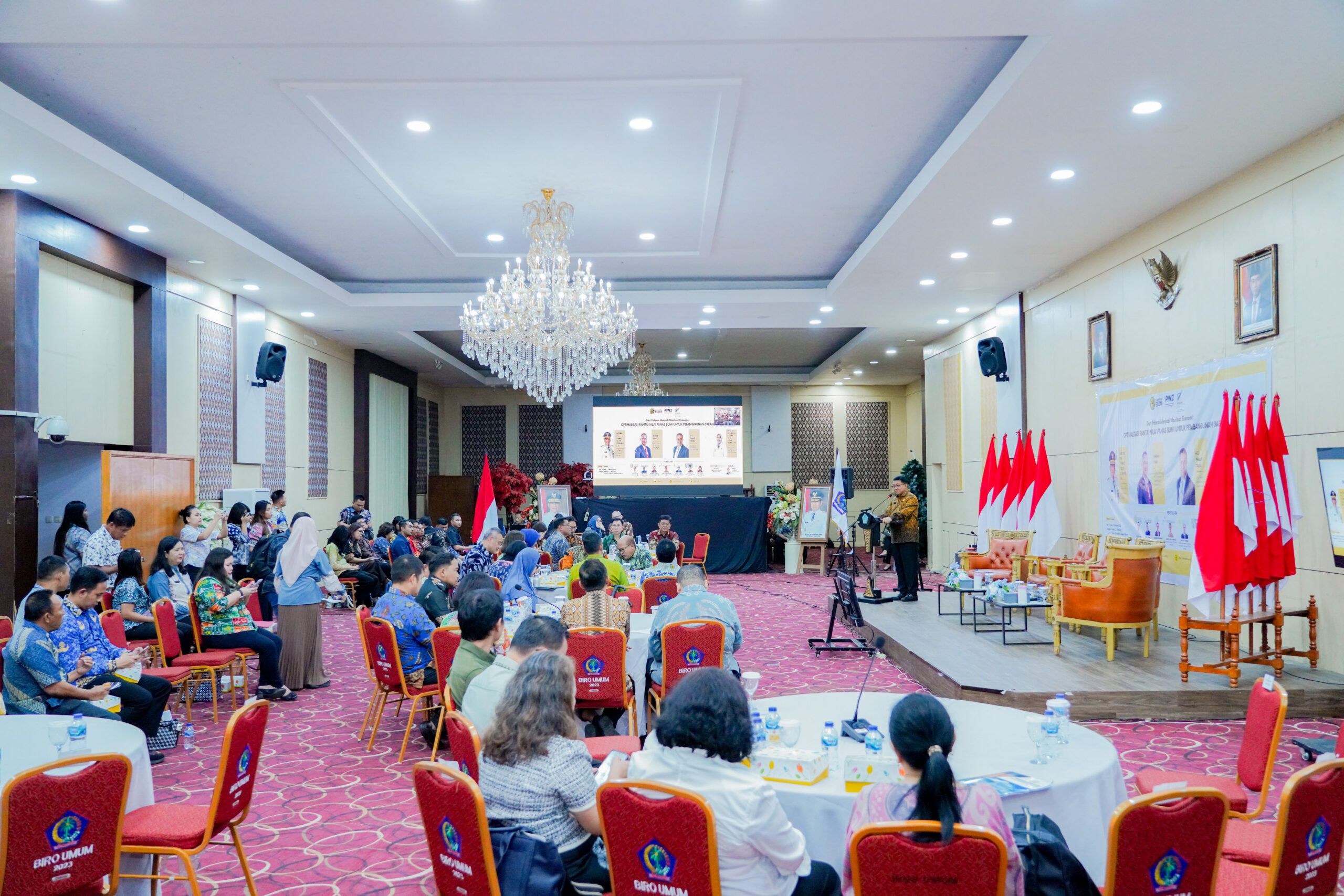
Geothermal energy holds immense potential to drive sustainable regional economic growth, including in Tomohon, North Sulawesi. It provides stable baseload power, producing reliable electricity supply that is critical enabler for investment in Tomohon, such as energy-intensive industries, agro-processing, cold storage, and tourism facilities. Beyond electricity generation, direct-use and cascading applications can help North Sulawesi further maximise the economic value of geothermal resources for agriculture, tourism, and other sectors. Together, these opportunities can create direct and indirect employment opportunities. With supportive policies, infrastructure planning, and capacity building, geothermal development can become a cornerstone of inclusive and sustainable economic growth in North Sulawesi, linking energy development with industrialization, food security, and community welfare.
Recognising this opportunity, the Directorate General of New Renewable Energy and Energy Conservation of the Indonesian Ministry of Energy and Mineral Resources (MEMR), supported by Indonesia–Aotearoa New Zealand Geothermal Energy Programme (PINZ), convened a dialogue titled “From Resource to Economic Value: Maximising the Geothermal Economic Value Chain for Cities and Municipalities” on 12 February 2026 in Manado, North Sulawesi.
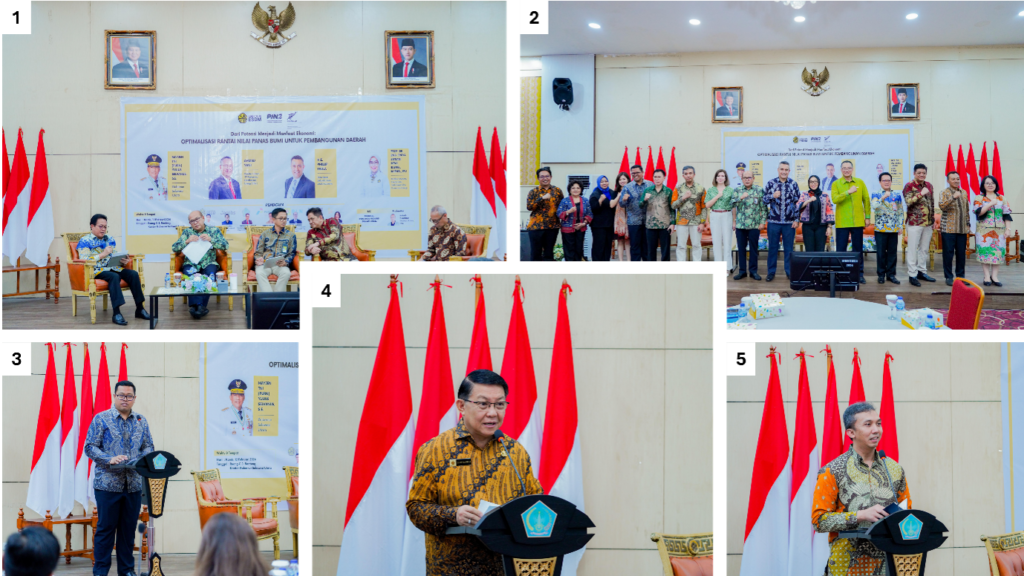
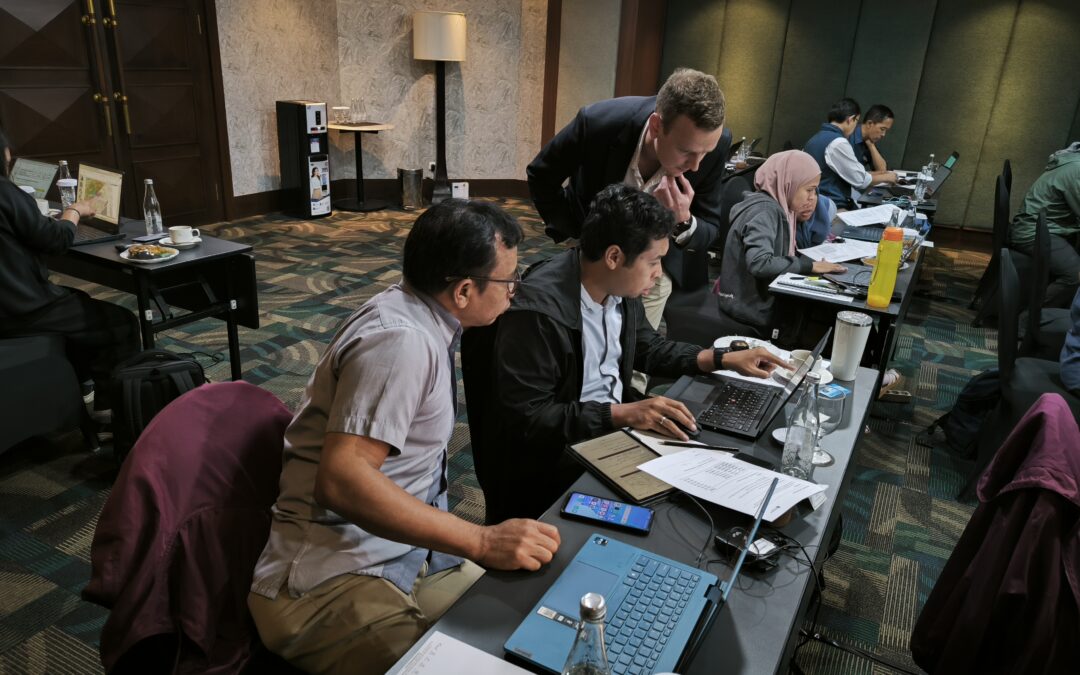
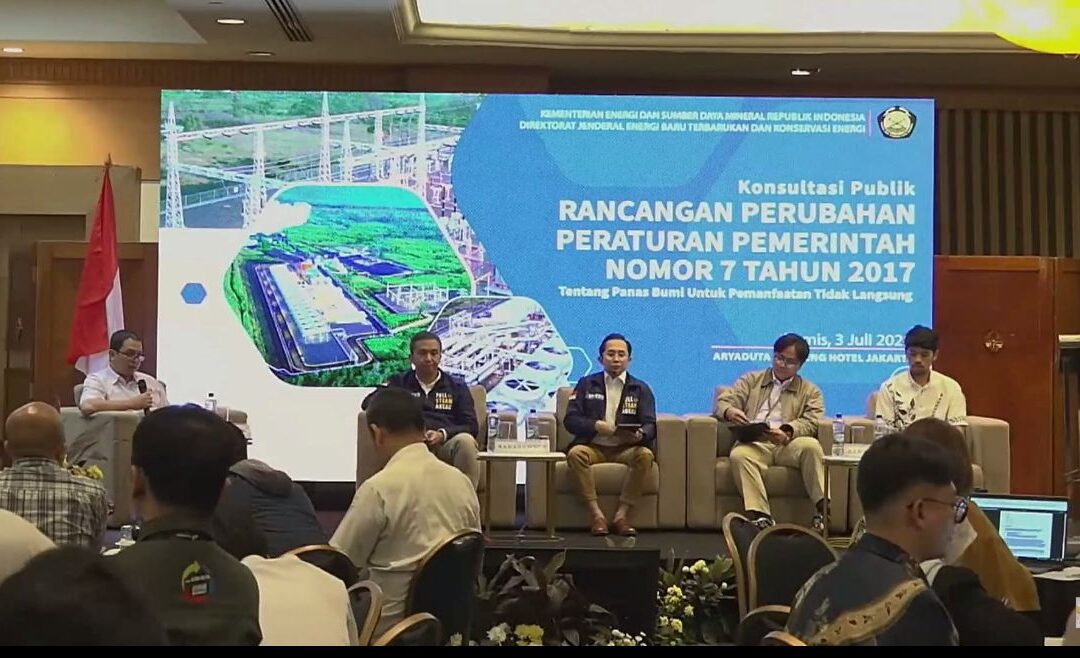
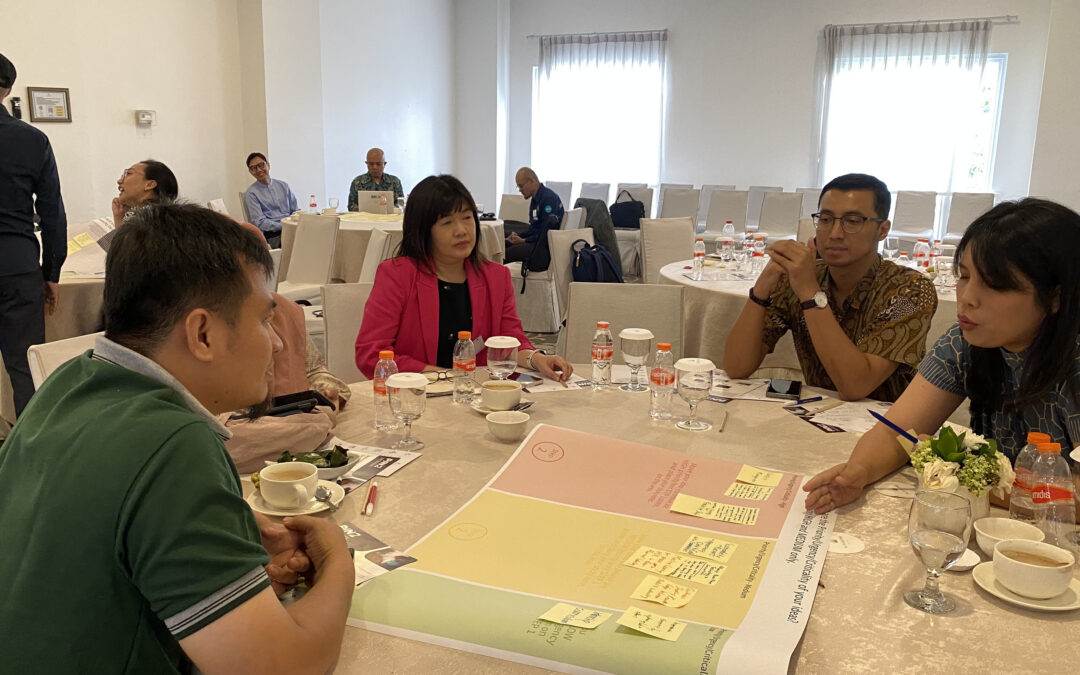
Denny Mangala, North Sulawesi Regional Secretary Ad-interim, welcomes all the attendees of the dialogue event (Photo 4). The dialogue was joined by Prof. Eniya Listiani Dewi, Director General of New Renewable Energy and Energy Conservation and H.E. Phillip Taula, New Zealand Ambassador for Indonesia and representatives from North Sulawesi Regional Government and private sector (Photo 2). The dialogue becomes a platform of knowledge exchange between Indonesian and New Zealand governments on maximising geothermal economic value chain for cities and municipalities through presentation from Gigih Udi Atmo, Director of Geothermal (Photo 5) and Jaime Quinao, Asia Geoscience Lead from Jacobs (Photo 3), as well as panel discussion with public and private sector representatives from both countries (Photo 1) (Photo: MEMR).
Bringing together representatives from the national government, the North Sulawesi provincial government, private sector players, academia from Indonesia, and experts from New Zealand, the dialogue served as a platform to exchange insights and experiences on accelerating geothermal development. Discussions also explored how direct use applications of geothermal energy can unlock new pathways for green economic growth in North Sulawesi.
During the session, Gigih Udi Atmo, Ph.D, Director of Geothermal at MEMR highlighted the potential of geothermal energy as a catalyst for economic transformation. Meanwhile, Jaime Quinao, Asia Geoscience Lead at Jacobs, shared lesson learned from New Zealand, where geothermal development has stimulated the growth of surrounding industries and contributed significantly to regional economic growth.
The dialogue also featured a panel discussion with speakers from the public and private sector from Indonesia and New Zealand’s geothermal sector, who examined both the challenges and opportunities in maximising geothermal resources for regional development. In this opportunity, Kennie Tsui CNZM, Chief Executive of New Zealand Geothermal Association (NZGA), also shared about potential collaborations between Indonesia and New Zealand based to grow sustainable geothermal opportunities based on NZGA’s past experiences.
The dialogue underscored the potential for strengthened collaboration between the two countries in advancing a sustainable green economy growth through geothermal energy.