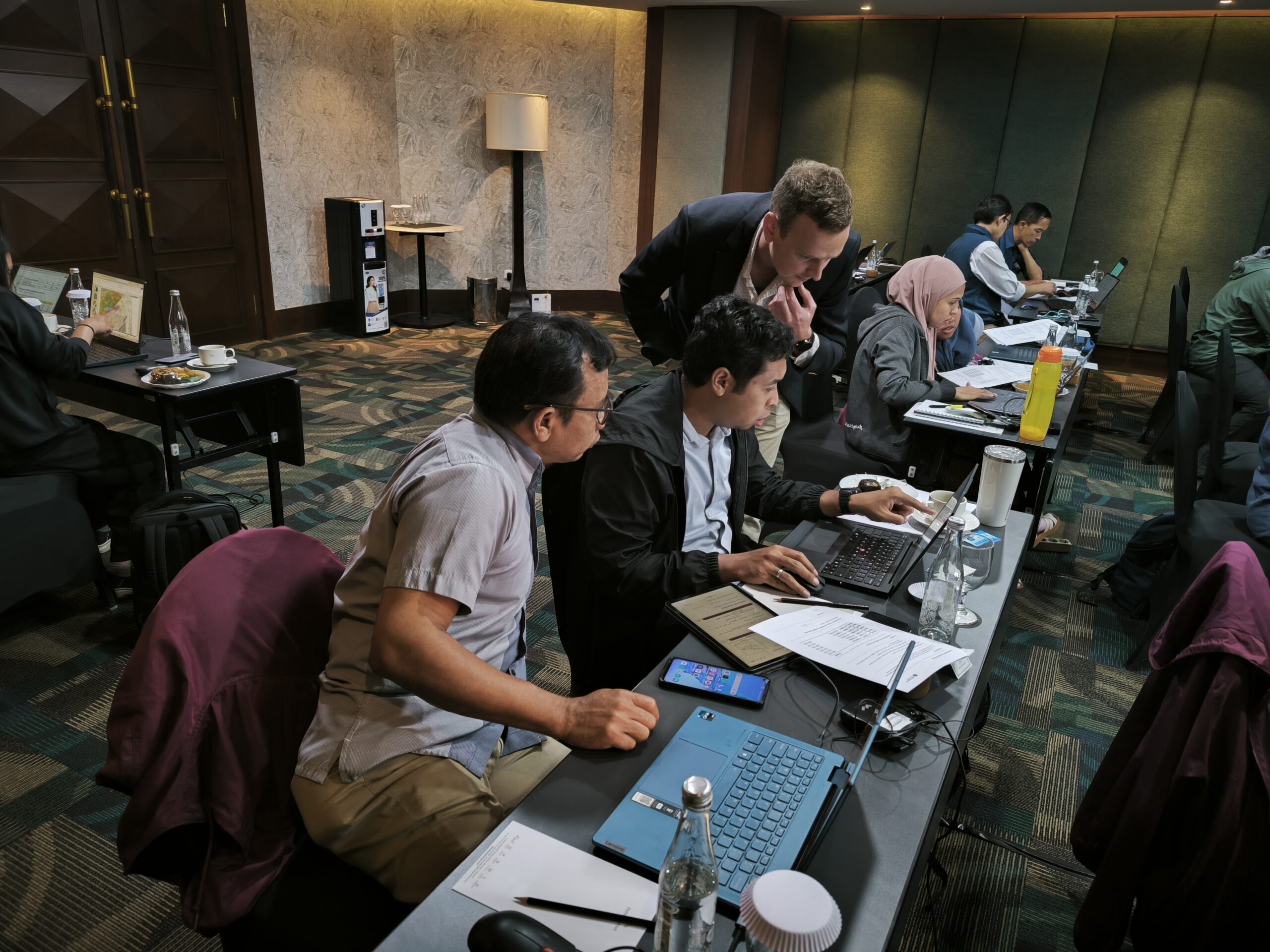
Indonesia is blessed with a vast geothermal energy potential reaching 23.74 gigawatt, the second largest geothermal reserves after the United States. Yet as of 2025 the installed capacity has only reached 11.2 percent of the total potential. As Indonesia is looking towards the commitment to achieve Net Zero Emissions by 2060, geothermal serves as one of the strong energy pillars to support the transition. Its stable baseload characteristics could provide a reliable and sustainable source of energy to achieve green economy. In order to meet the increasing demand, the human resources capacity becomes a component that holds the same critical role as other technical aspects. It is important for us to harness the workforce skills and knowledge to ensure that the geothermal development provides optimal benefits for the communities and industries, and environmentally responsible.
For more than 50 years, the New Zealand and Indonesian governments has built partnerships in geothermal development, including in the human resource capacity development and knowledge exchange. Since 2024, the collaboration has been continued through the Indonesia-Aotearoa New Zealand Geothermal Energy Programme (PINZ), with working partners of the Directorate General of New Renewable Energy and Energy Conservation (EBTKE), Geological Agency, and the Human Resource Development Agency (BPSDM) of the Indonesian Ministry of Energy and Mineral Resources, as well as with partners from industry and academics from both countries.
Through PINZ, the technical capacity development is designed comprehensively, from project planning and implementation to geothermal energy utilization. The programs were conducted using a variety of methods tailored to the needs, including classroom workshop with field-based case study analysis and on-site discussions.
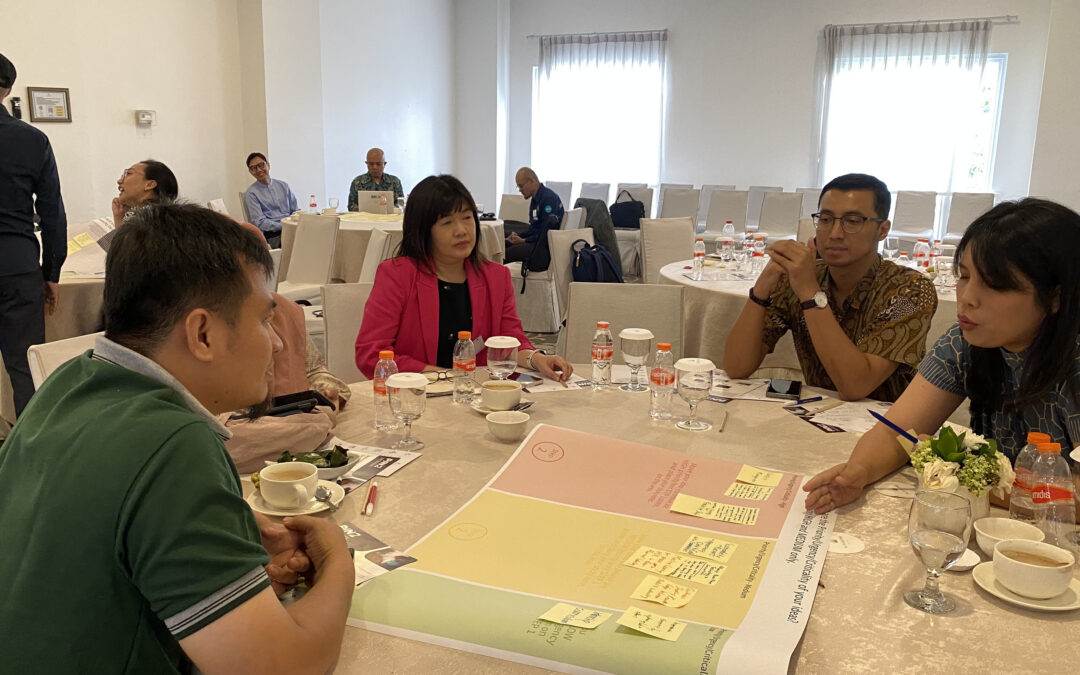
For example, during the Probability of Discovery workshop, participants from the Geological Agency, guided by trainers from Jacobs, took part in a simulation of commercial feasibility analysis for both conventional and direct use systems, providing a practical opportunity to apply project planning concepts in a technical setting. The analysis was based on case studies from geothermal fields in Indonesia. The participants then use the results for decision-making to minimize financial risk and ensure the long-term sustainability of the projects.
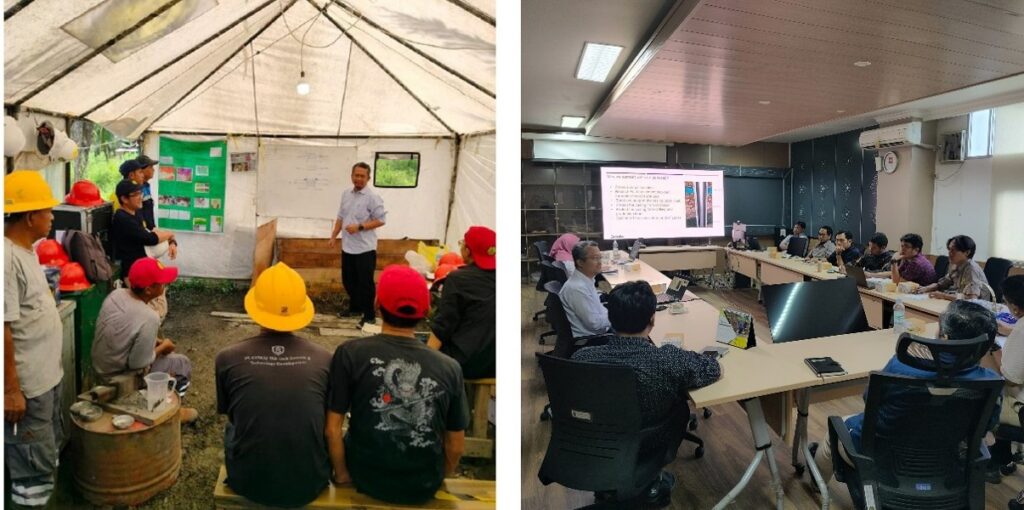
Left: Joint Assessment between Geological Agency and Jacobs for improved drilling operations in Banda Baru, Central Maluku, in October 2024. Right: Probability of Discovery Workshop with Geological Agency in October 2025 (Photo: Jacobs and PINZ).
When it comes to project execution, the capacity building program covered variety of topics, including site visit support and on-site technical assistance related to drilling, 3G surveys, and area review workshops with instructors from Jacobs. Additionally, workshops on Isotope Geothermometry, Ambient Noise Tomography, and social risks analysis were also conducted with trainers from JRG Energy Consultants. Through these various technical assistance and workshops, the participants from EBTKE, Geological Agency, and BPSDM strengthened their skills in targeting, planning, and execution of geothermal projects in a more efficient and cost-effective way. Through training on social risks analysis, participants also conducted evaluations for a more environmentally friendly geothermal resource management with improved risks mitigation.
Ken Maturgo, JRG Energy Consultants, shared, “A key takeaway across the Isotope Geothermometry and ANT workshops was how participants’ prior knowledge varied by topic. This reinforced the importance of balancing the approach between theoretical lectures and practical exercises. Following the two workshops, there was a clear and observable shift in participants’ confidence, engagement, and technical capability. Trainers noted sustained, active participation throughout both workshops, with participants increasingly applying concepts independently and asking more targeted, analytical questions as the sessions progressed. The most notable change was the strengthening of applied, practice‑oriented competencies. Participants finished the workshops with an enhanced ability to translate theory into real‑world geothermal exploration and evaluation contexts, directly aligning with the intended capacity building objectives of the training.”
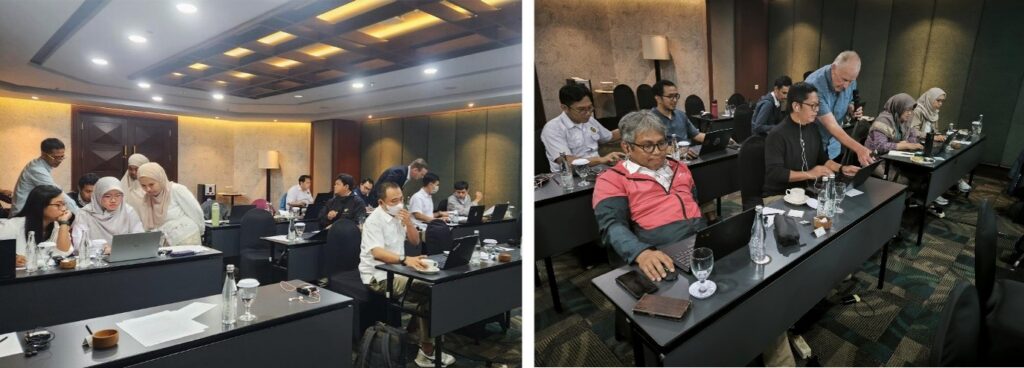
Left: Isotope Geothermometry Workshop joined by Geological Agency and BPSDM on 6-8 April 2026. Right: Ambient Noise Tomography Workshop with participants from Geological Agency on 9-10 April 2026 (Photo: JRG Energy Consultants).
In line with the acceleration of direct use utilisation of geothermal energy, PINZ, in cooperation with the key working partners, implemented two types of capacity building programs on direct use. First, technical support through direct use site visit in Ciater, West Java, followed by a classroom workshop to strengthen the direct use concept with participants from Geological Agency and BPSDM. Second, PINZ, in collaboration with EBTKE, BPSDM and the Centre of Human Resource Development (PPSDM) strengthen the capacity institution in delivering direct use training through reviews on module and training methods, and training of trainers (TOT) in collaboration with the University of Auckland through Geoenergis. The recommendations for the module and training methods, as well as the TOT would then be used in refining the preparation of direct use certification training for business actors engaged in direct use geothermal utilisation.
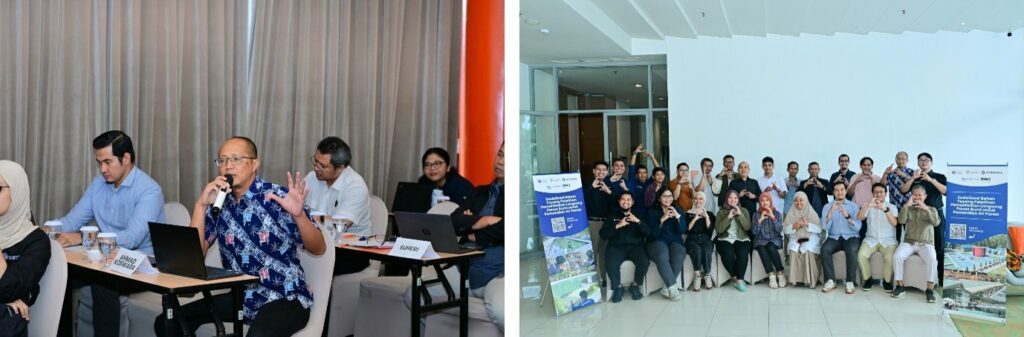
Geothermal Direct Use workshop is expected to contribute achieving sustainable institutional capacity transfer by jointly developing and updating the direct use training curriculum and modules in partnership with the key working partners, thereby strengthening BPSDM to independently deliver training that enables the training certification and licensing process for direct use applications (Photo: Geoenergis).
This series of these capacity building programs are expected to not only improves the technical competence of human resources, but also strengthens the quality of data, analysis, and institutional capacity, which play a crucial role in geothermal development in Indonesia. These initiatives also serve as platforms for knowledge exchange between the New Zealand and Indonesia to encourage geothermal development that is beneficial to the community, environmentally friendly, and attractive to investment, while simultaneously supporting the acceleration of Indonesia’s energy transition to create greener and more sustainable economic growth.