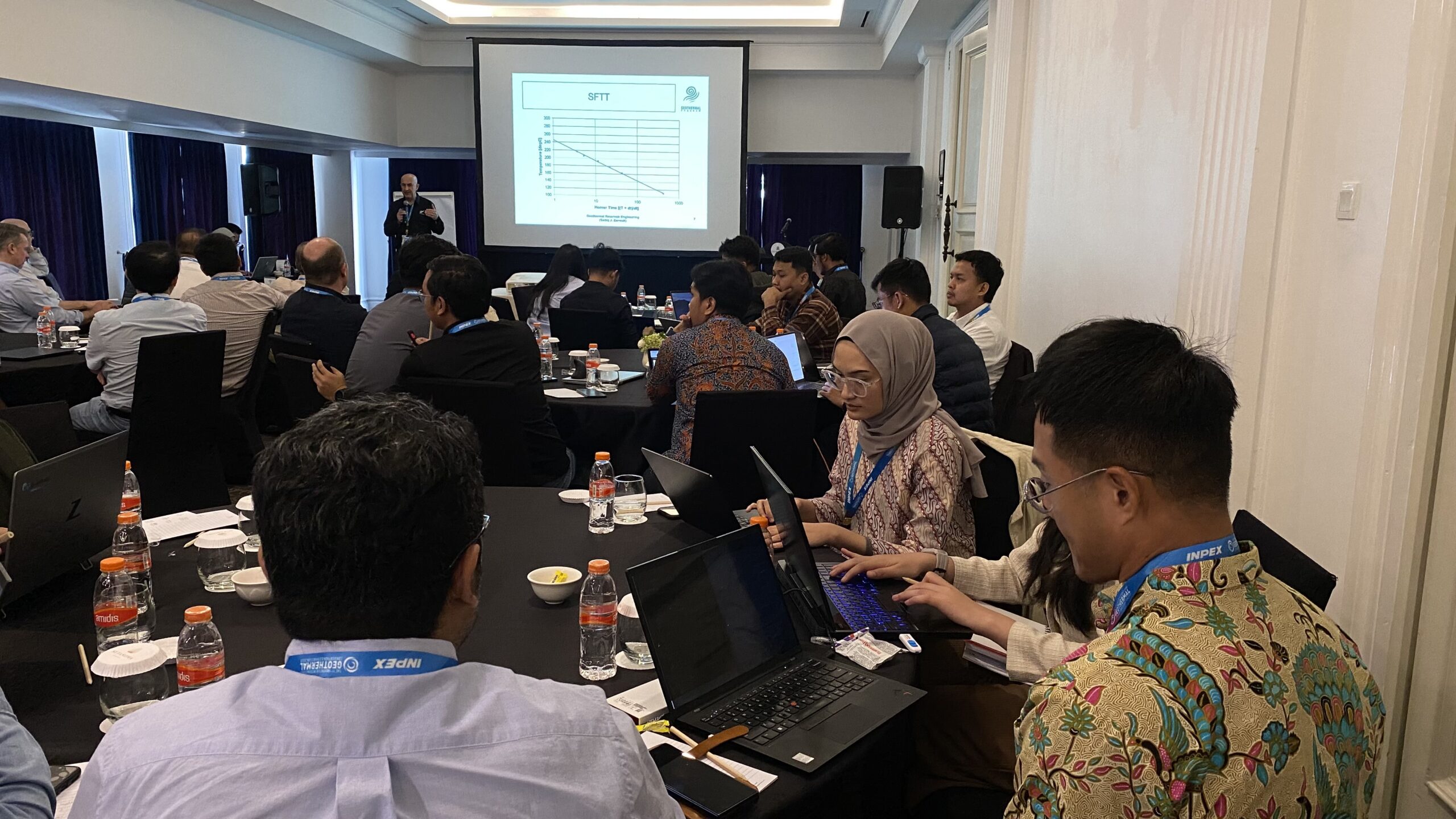
Supported by the Indonesian Ministry of Energy and Mineral Resources (MEMR), the Indonesian Geothermal Association (INAGA) successfully hosted the 11th Indonesia International Geothermal Conference and Exhibition (IIGCE) 2025 from 17-19 September 2025 in Jakarta. As part of the event series, the Indonesia–Aotearoa New Zealand Geothermal Energy Programme (PINZ) in collaboration with the New Zealand Trade and Enterprise and the New Zealand Geothermal Association, supported the IIGCE 2025 Pre-Conference Workshop held on 15-16 September 2025.
Under the theme “Optimising Resource and Sustainability While Maximising Power Output”, the workshop brought together leading geothermal expertise from New Zealand. The session featured a main lecture delivered by Professor Sadiq J. Zarrouk Associate Professor in Geothermal Engineering, Geothermal Institute, University of Auckland, and alongside sessions led by geothermal industry experts from MB Century, Jacobs, Seequent, MTL, Earth Science, and CaSil Technologies.
A familiar and highly respected figure within Indonesia’s geothermal community, Professor Zarrouk has played a pivotal role in shaping the next generation of geothermal professional through his long-standing work at the Geothermal Institute of the University of Auckland.
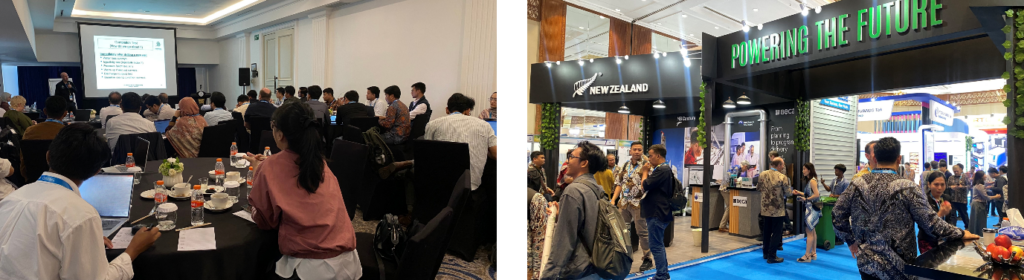
(Left): Professor Sadiq J. Zarrouk, Associate Professor in Geothermal Engineering (Geothermal Institute) University of Auckland, delivered a lecture at the IIGCE 2025 Pre-Conference Workshop to 50 participants from Indonesia’s geothermal industry and students. (Right): New Zealand Pavilion di The 11th IIGCE 2025 (Photo: PINZ).
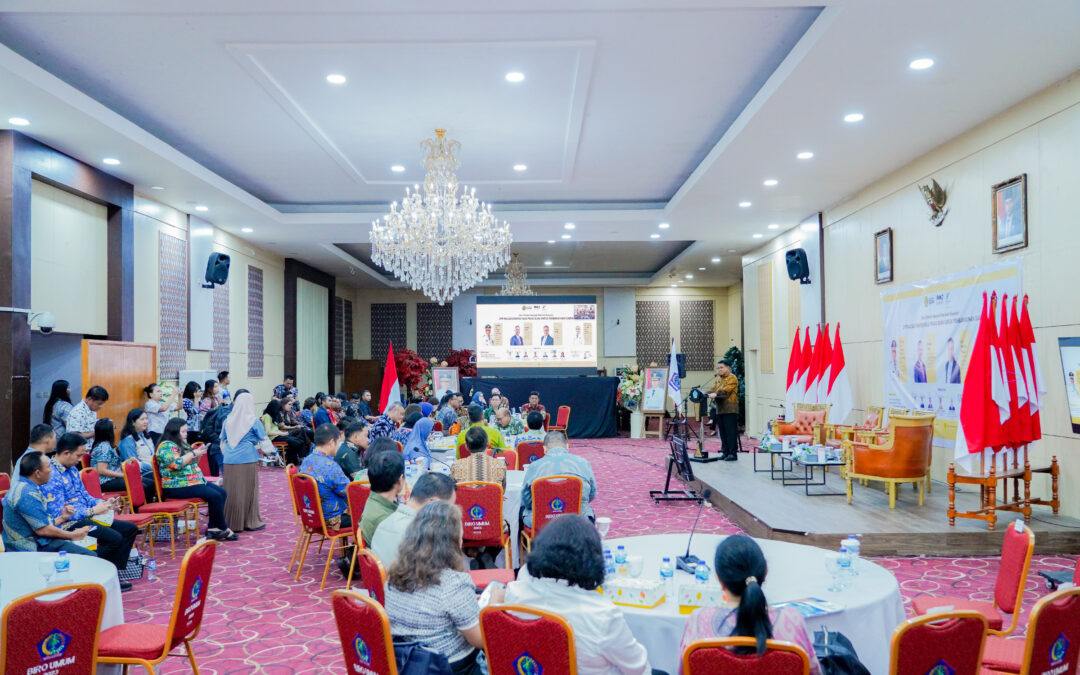
The two-day workshop delivered various strategic topics and best practices in reservoir, resources management, power plant, and new technology innovations, highlighting how proven approaches from New Zealand and global partners can be adapted to accelerate Indonesia’s geothermal development. During his one-day session, Professor Zarrouk delivered lectures on reservoir engineering, surface facilities and power plants, as well as scaling and corrosion mechanisms and prevention, attended by around 50 participants from government institutions, industry, and universities.
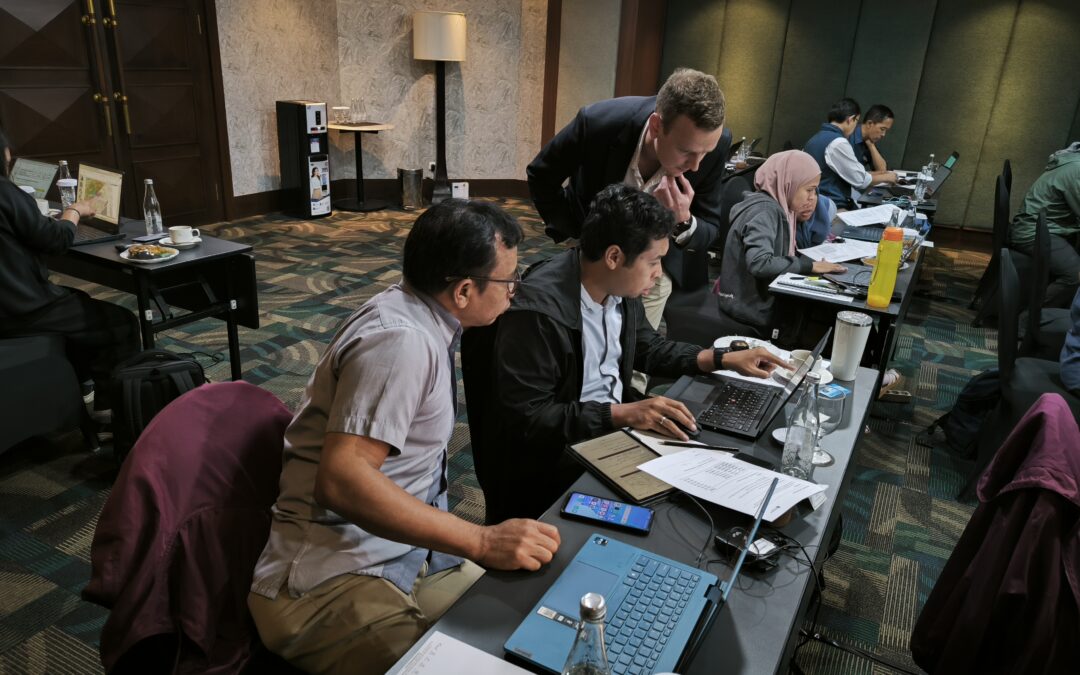
Professor Zarrouk encouraged active participation through interactive discussions and group simulation exercises designed to address real-world geothermal implementation challenges in Indonesia. Participants also worked in small groups and later presented their ideas, fostering a dynamic and collaborative learning environment.
Beyond the workshop, PINZ also participated in the two-day IIGCE 2025 exhibition at the New Zealand Pavilion. The exhibition provided a valuable opportunity to engage directly with industry stakeholders from around the world, share programme updates, and explore potential collaborations to further accelerate sustainable geothermal development, particularly in Indonesia.