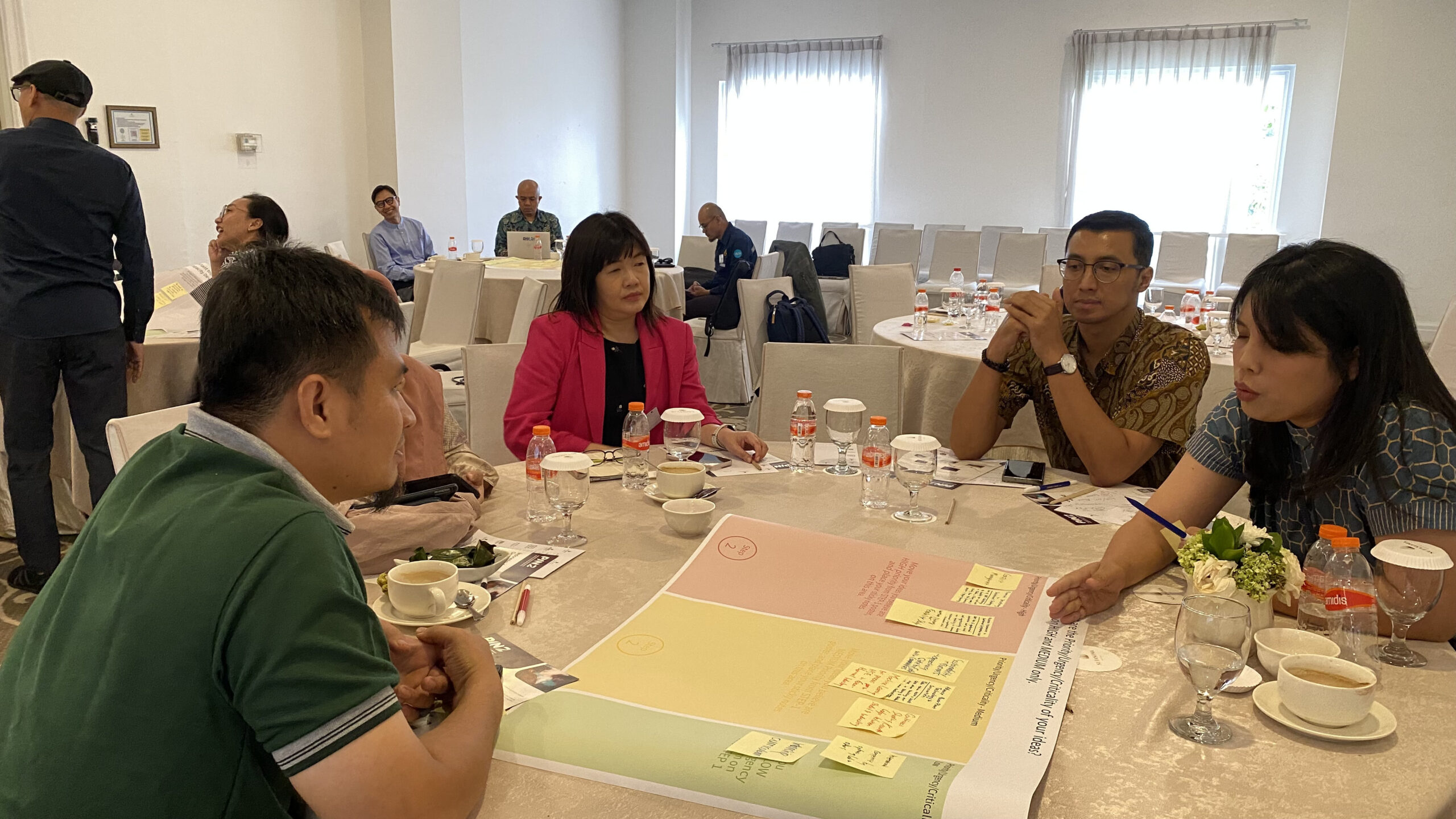
Indonesia’s gender policies set the stage, but reality lags. As stated in the Convention on the Elimination of All Forms of Discrimination against Women (CEDAW, 1979) and the Beijing Platform for Action (1995), the Government of Indonesia is committed to encouraging women’s active participation in development. Through a range of policies and regulations, efforts continue to remove barriers that limit women’s participation in public, including access to education, healthcare, economic opportunities, and participation in decision-making processes.
However, despite policy progress, such as the Presidential Instruction which sets out government’s obligation to integrate gender perspectives into the development policies from planning to evaluation, disparities persist. Women, including in the geothermal sector, face barriers not only in entering the sector, but also in advancing their careers, particularly when work involves shift schedules, travel, remote postings, and caregiving responsibilities.*
Based on limited PINZ data, women make up only around 13-14 percent of the geothermal workforce in Indonesia. Unlocking the full potential of geothermal energy requires unlocking the full potential of its people. Gender equity becomes one of the essential factors because it ensures the sector can draw on the full range of talent, perspectives, and skills needed.
When women have equal access to education, jobs, leadership, and decision-making, geothermal projects benefit from stronger innovation, better community engagement, and more inclusive outcomes. In a sector that depends on long-term trust, technical expertise, and local acceptance, gender equity is not just a social goal, it is a practical strategy to help geothermal energy reach its full potential.
Advancing gender equity in this sector is not only about opening door. It is about ensuring women can enter, stay, and lead. This means expanding access and provide more opportunities through scholarships, internships, targeted recruitment into energy and engineering fields, while also building supportive work environment with flexible arrangements, safe and adequate field facilities, and policies that recognise caregiving responsibilities.
According to the Statistics Indonesia (BPS) in 2025, Indonesia’s Gender Inequality Index (IKG) in 2024 stood at 0.421. It decreased by 0.026 points compared to the previous year, marking the steepest decline during the 2018–2024 period. This decline indicates improvements in gender equality in Indonesia**, but also clear room for further improvement.
Supporting the Indonesian government to achieve sustainable development and encourage energy transition, the Indonesia-Aotearoa New Zealand Geothermal Energy Programme (PINZ) put the gender and social inclusion (GSI) mainstreaming at the core of its planning, implementation, evaluation and monitoring of the Programme. Using a twin-track approach, mainstreaming GSI across the programme while also implementing targeted interventions, PINZ seeks to increase women’s participation and leadership, promote gender-responsive policy, reduce gender-based violence and discrimination, support women’s economic empowerment, improve access for marginalised groups, and strengthen the capacity of staff and partners to apply GSI principles throughout the programme cycle.
PINZ also works closely with the key working partners from the Directorate General of New Renewable Energy and Energy Conservation, Geology Agency, and the Human Resources Development Agency of the Ministry of Energy and Mineral Resources, as well as industry stakeholders, to provide recommendations for the focus in supporting Indonesia’s geothermal sector. These include strengthening awareness, improving standard operating procedures for women’s safety, and eliminate gender-based violence, and increasing women’s employment in geothermal sectors to promote innovation and growth.
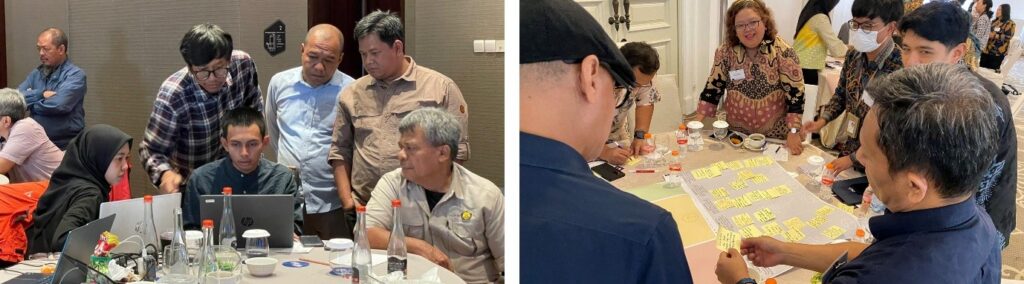
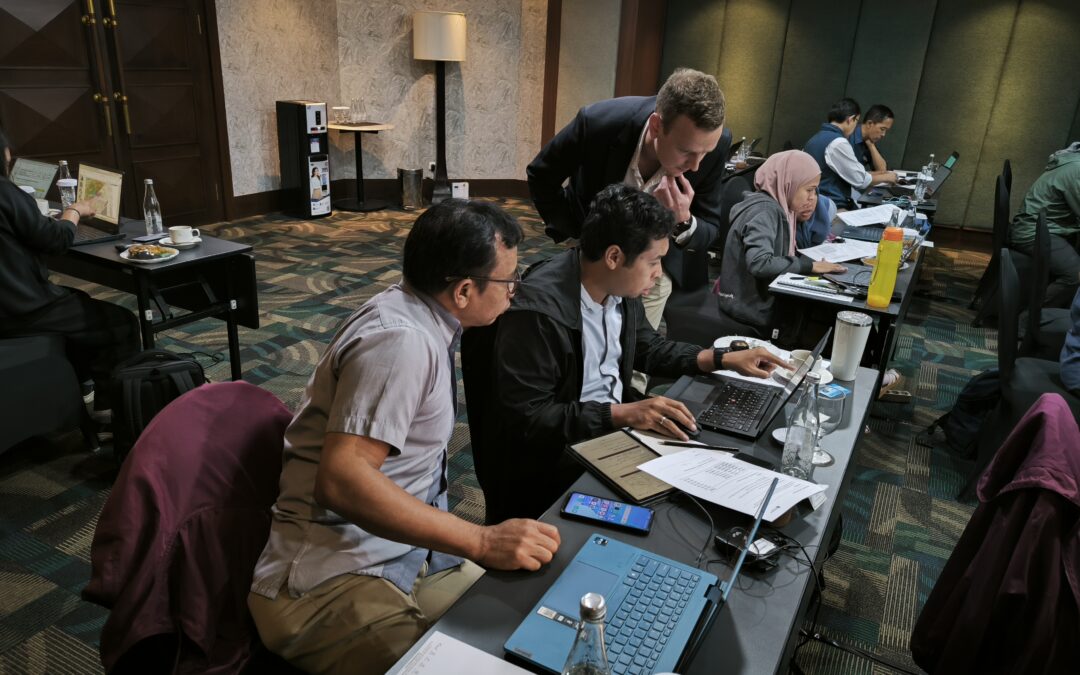
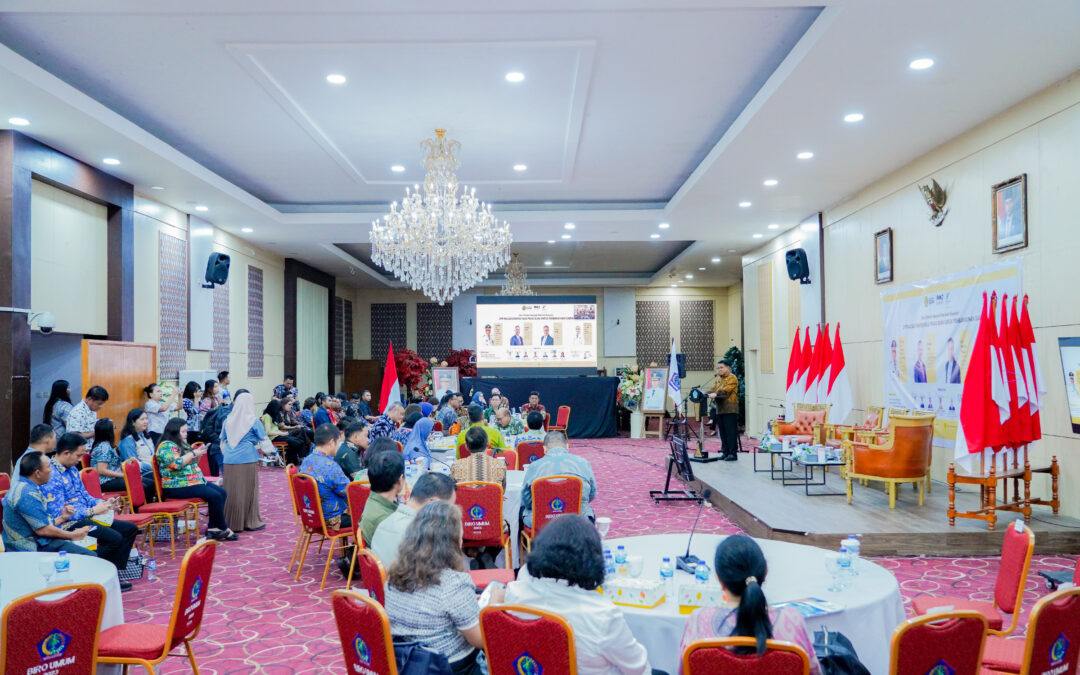
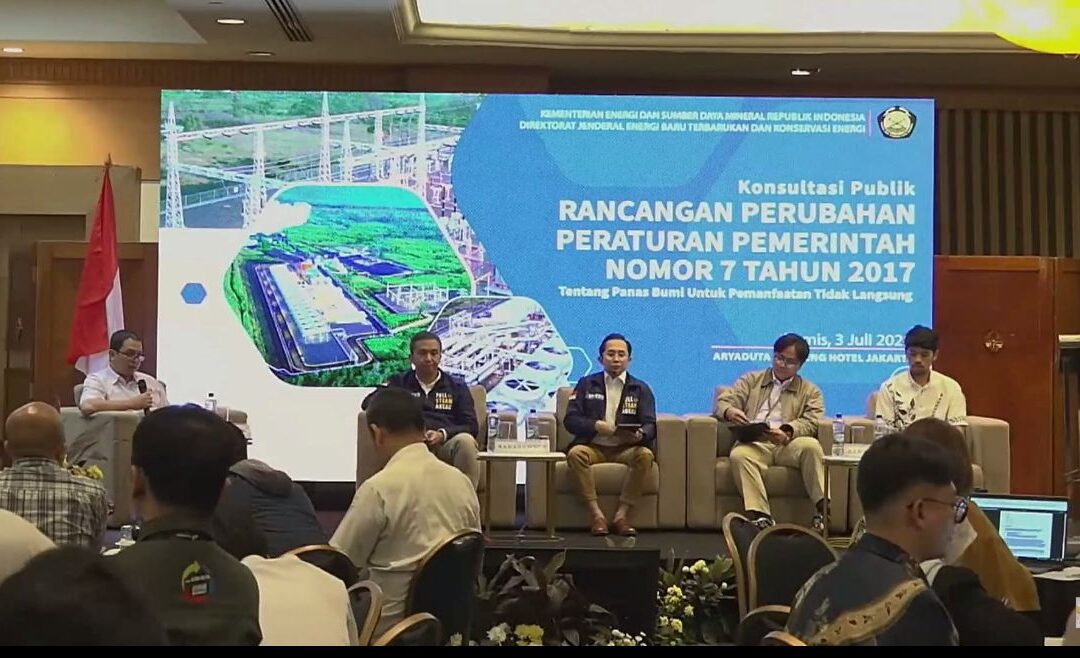
Unlocking the full potential of geothermal energy requires unlocking the full potential of its people. Fixing representation in geothermal requires more than token hiring. Advancing gender equality in this sector is not only about opening door. It is about ensuring women can enter, stay, and lead (Photo: PINZ).
Women’s participation is also encouraged in PINZ capacity-building activities, including both policy and technical workshops held in collaboration with key working partners and trainig providers from the industry on topics such as technical discussion for recommendations for geothermal regulation, as well as technical workshops on topics of drilling, isotope geothermometry, ambient noise tomography, direct use, and social risk assessment.
Gender equality is not just about access, but also about real opportunities for women to participate and have a voice in decision-making. Together with the key partners, PINZ continues to strive to support in creating a geothermal sector that offers women greater access, participation, and benefits. In the end, accelerating geothermal development will require not only strong technology and investment, but also strong policy commitment to gender equity and social inclusion.
*ESMAP. 2019. Gender Equality in the Geothermal Energy Sector: Road to Sustainability. Energy Sector Management Assistance Program (ESMAP) Knowledge Series 028/19. Washington, DC: World Bank.
*BPS. “Indeks Ketimpangan Gender 2024 Volume 3” (2024)