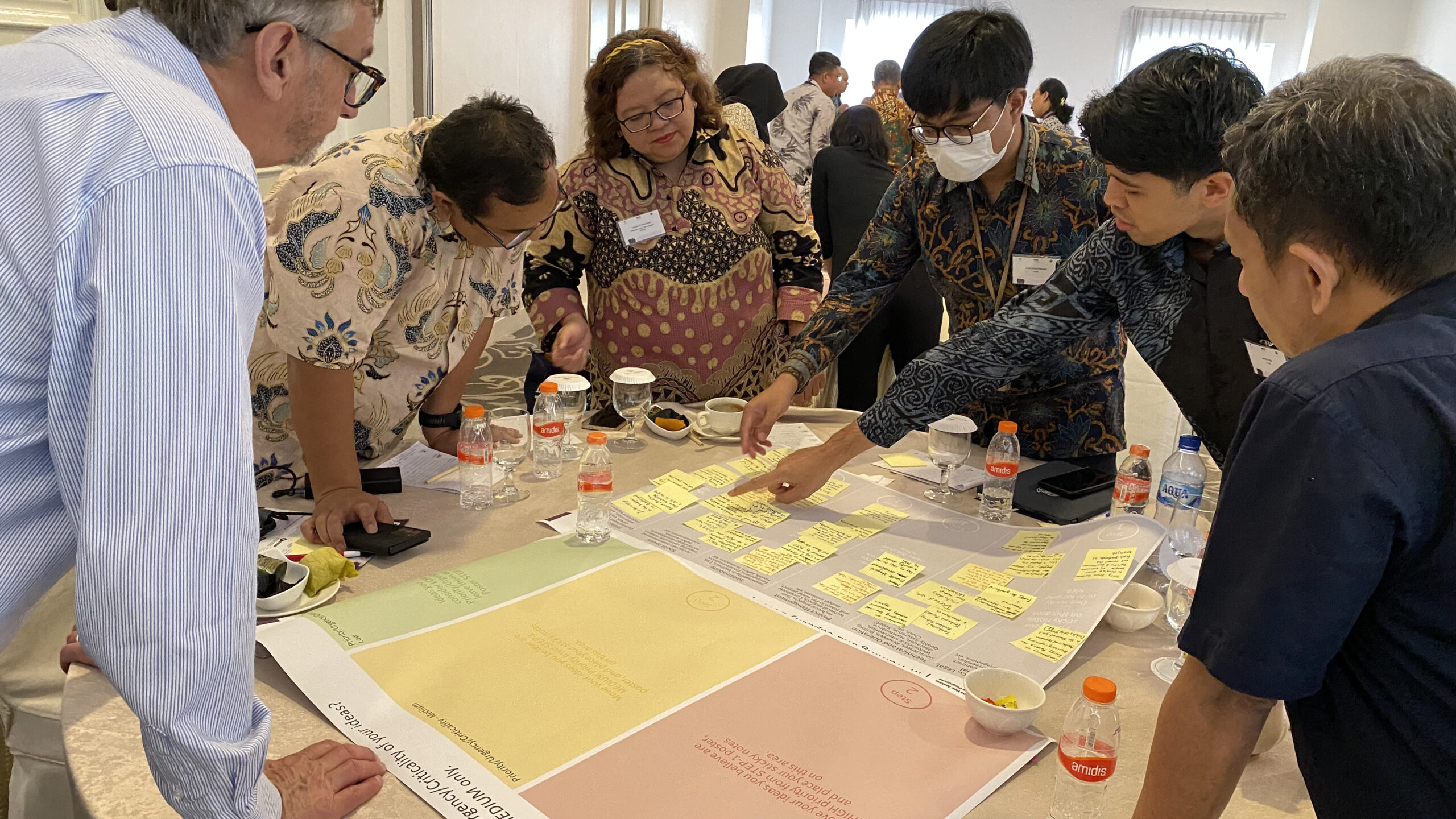
Indonesia’s ambitious goal of leveraging its massive geothermal potential faces a persistent challenge: converting complex development hurdles into scalable, practical energy solutions. Recognizing this crucial juncture, the Indonesia-Aotearoa New Zealand Geothermal Energy Programme (PINZ), recently hosted a pivotal series of stakeholder discussions on September 16, 2025. This collaborative effort aimed to forge strategic alignment and transform existing obstacles into concrete opportunities for the New Zealand-Indonesia partnership.
The discussions were attended by PINZ’s working partners from the Indonesian Ministry of Energy and Mineral Resources (MEMR) – Directorate General of New Renewable Energy and Energy Conservation (EBTKE), Geological Agency (BG) and Human Resource Development Agency (BPSDM), as well as various industry stakeholders. The sessions were opened with welcome remarks by His Excellency Phillip Taula, New Zealand Ambassador to Indonesia, and keynote remarks from Julfi Hadi, President of Indonesia Geothermal Association (INAGA), A. Susetyo Edi Prabowo, Head of Human Resource Development Centre for Electricity, Renewable Energy, and Energy Conservation, and Kirk Yates, Development Counsellor of the New Zealand Embassy. By inviting both public and private sectors’ representatives, PINZ aims to ensure its support is not only well-targeted and responsive to sectoral needs, but also adaptable to ongoing developments.
The discussions were divided into two sessions. The first was focused on identifying potential support within PINZ’s three priority areas of policy and regulation, technical support and capacity building, and improving geothermal workforce skills and capacity. The participants worked in groups to provide input and categorize the proposed feedback by priority – high, medium, and low.
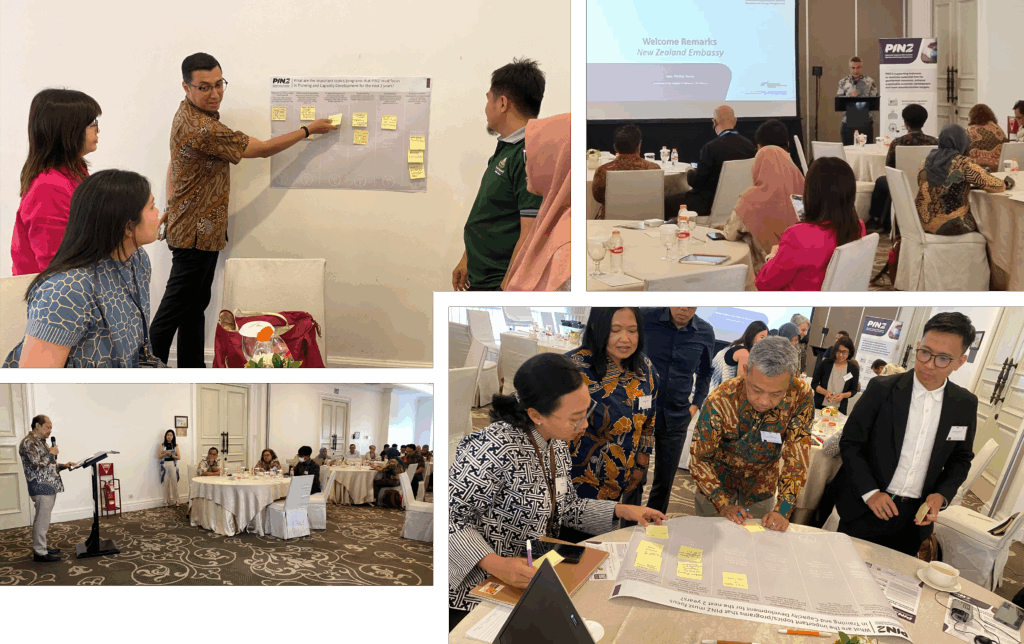
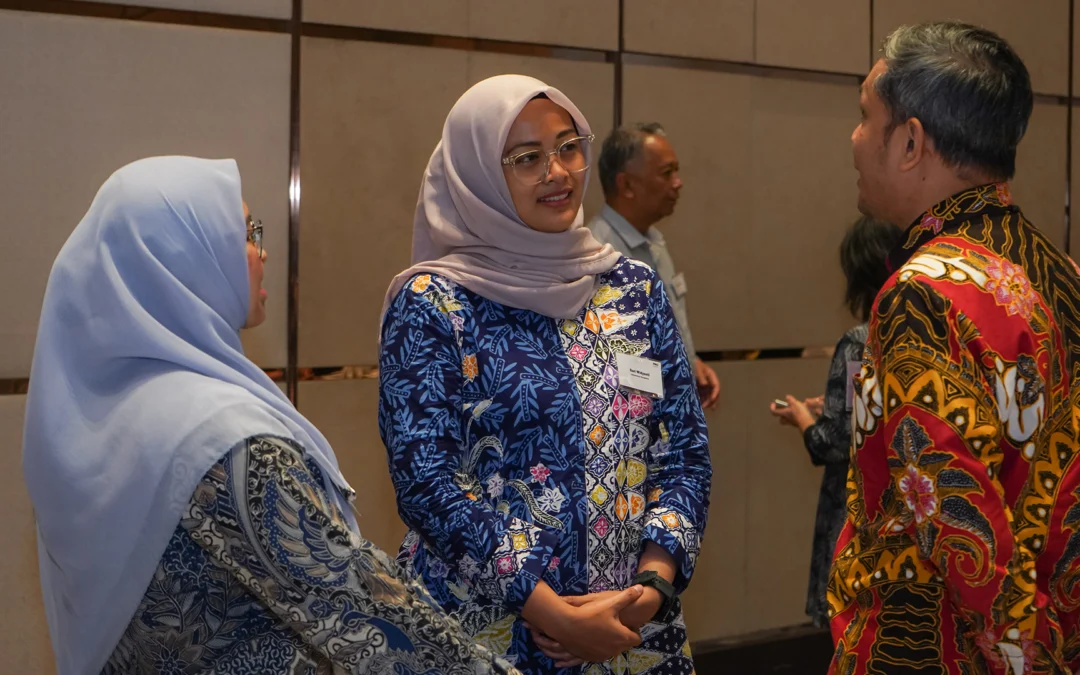
At PINZ Technical Briefing Discussion, PINZ key working partners from the Indonesian Ministry of Energy and Mineral Resources and industry stakeholders identify the key issues that could be supported through the PINZ programme activities (Photo: PINZ).
The second session highlighted the need to strengthen workforce capacity. The participants, comprised of key working partners and human resources practitioners from the industry, mapped out key issues on the ground and how PINZ may support the sector in closing the gaps. The workforce development needs were divided into six topics of regulation, policy, legal and commercial aspects; technical and operational skills; project management; sustainability; social dimensions including gender equality and inclusion; and other essential topics related to curriculum, competencies, and career development. These inputs were also prioritised to enable structured follow-up.
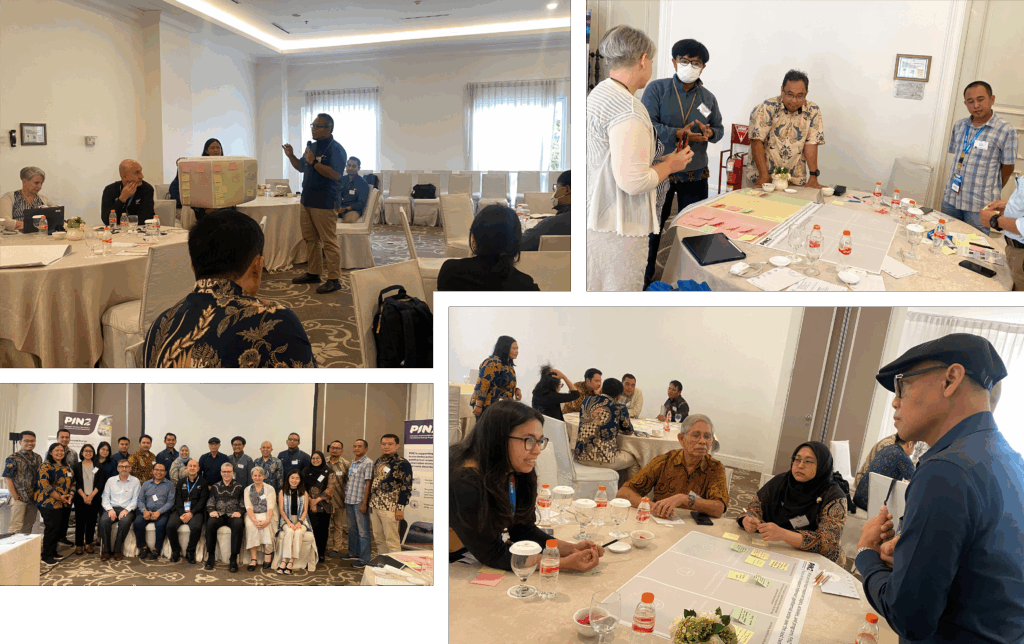
The discussion on Human Resource Development Needs Mapping and Stakeholders Participation Mechanism was joined by key working partners from the Indonesian Ministry of Energy and Mineral Resources and key human resources practitioners from geothermal industry (Photo: PINZ).
Following the successful engagement, PINZ reviewed the feedback and aligned it with its three focus areas of support. The results were shared with PINZ’s key partners and will be used to inform and finalise the proposed main programmes from the duration of PINZ life cycle. Through this process, PINZ is committed to delivering tangible contributions, tailored to the needs and adaptive to the dynamics in the sector, in supporting geothermal energy development, strengthening energy security, and advancing a more sustainable geothermal energy future.