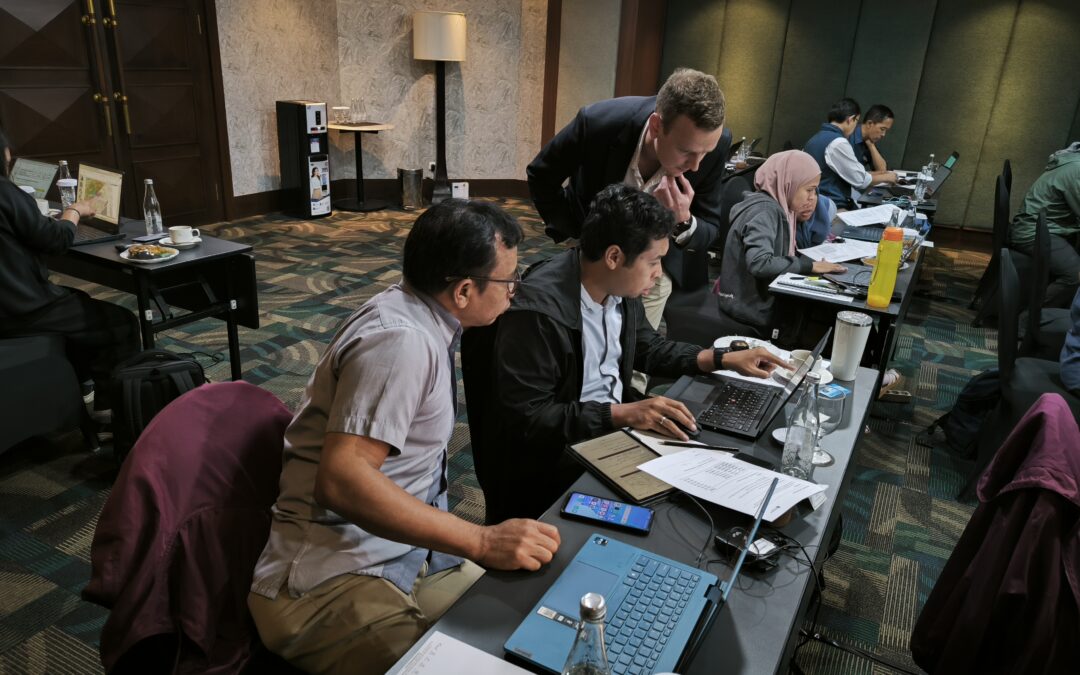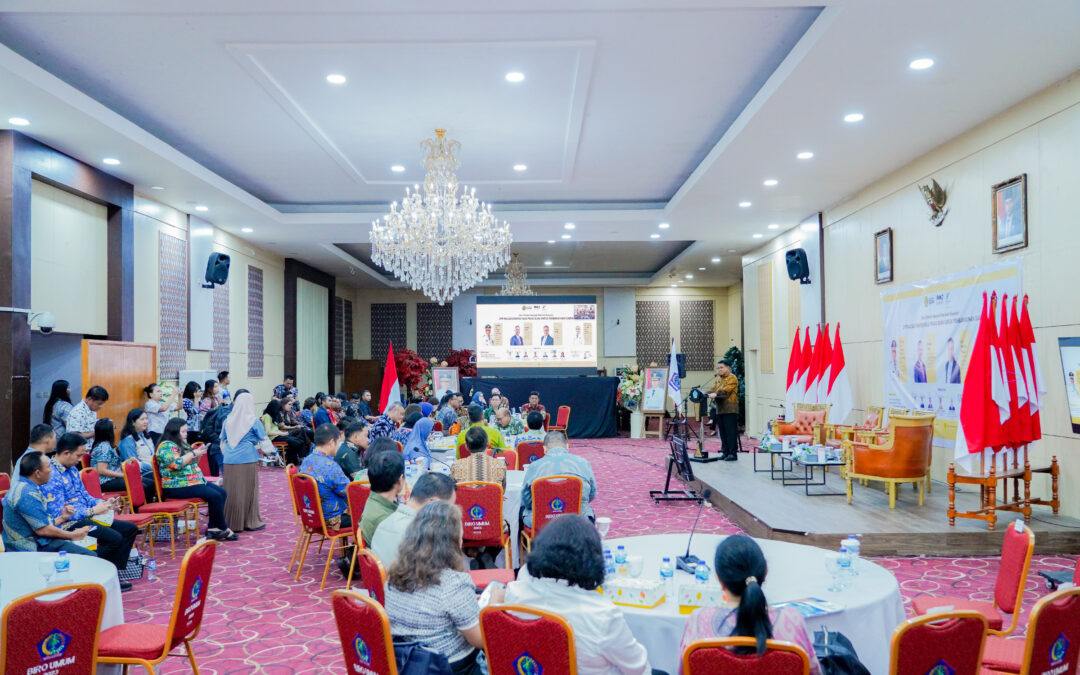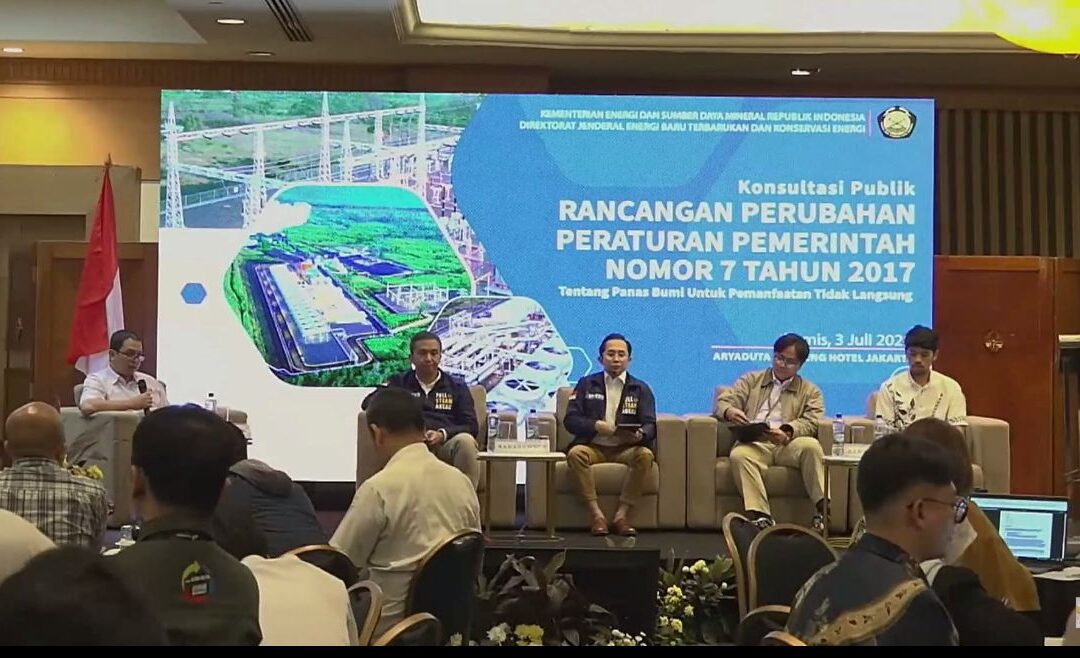
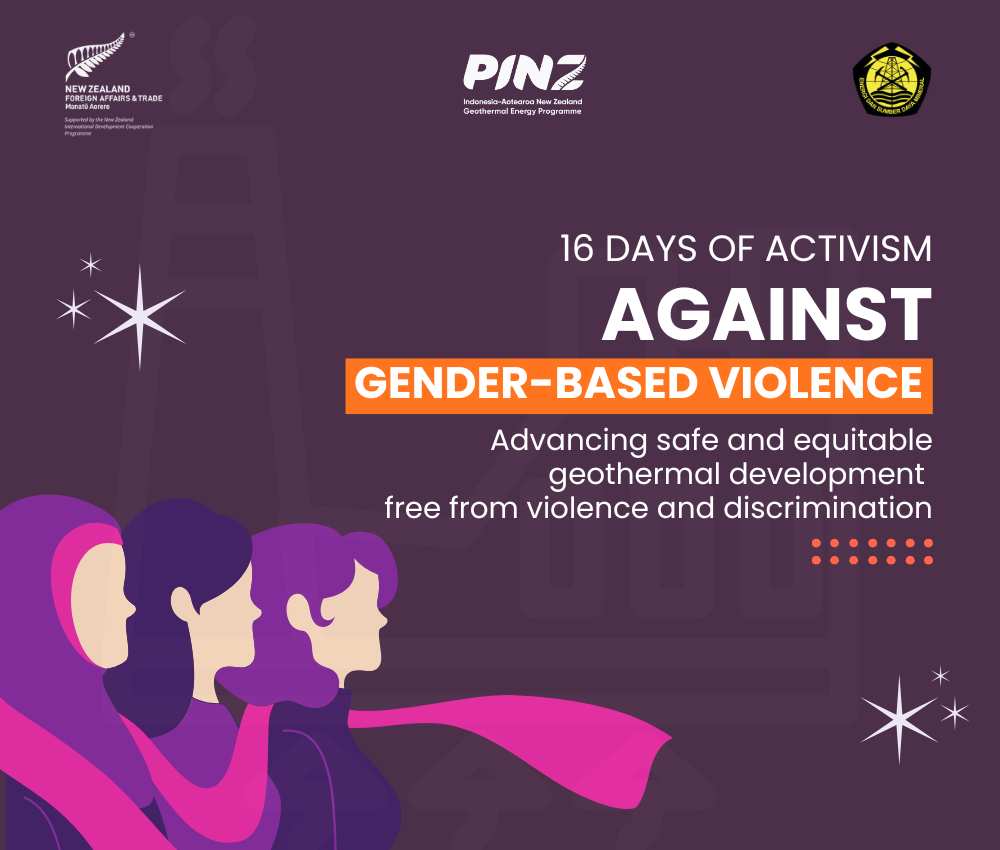
One day on a highland slope in Indonesia, dozens of residents from nearby villages gathered in a community hall for a regular meeting with the local geothermal project operator. Among the residents engaged in the discussion were mothers, listening intently, as well as female workers from the project site. As the dialogue continues, they gained better understanding that the geothermal project could bring changes to their lives. This illustration demonstrates that infrastructure development must not neglect the role of any group. All groups must have equal access and opportunities to obtain information and other benefits.
The development of infrastructure and clean energy through geothermal power brings new hope. Yet, the changes could also bring an issue that is increasingly gaining attention as Indonesia accelerates its energy transition, the gender-based violence (GBV) issue. Although the issue may seem distant from geothermal production wells, it can emerge through the social changes influenced by the development sector. Geothermal development as a renewable energy needs to prioritize gender equality and inclusivity by involving all community groups.
GBV is not merely a criminal act, it is a form of human rights violation rooted in unequal power relations between men and women (CEDAW, 2017). WHO describes GBV as any gender-based violent act that results in, or is likely to result it, physical, sexual, or mental harm or suffering to women, including threats of such acts, coercion or arbitrary deprivation of liberty, in both public or private space (WHO, 2025). GBV comes in the form of including physical, psychological, and economic violence, threats, coercion, manipulation, sexual violence, and restrictions on access to education, healthcare, and employment.
Men can also be affected by GBV, but women and girls, especially those with disabilities, are at significantly higher risk. The impacts are long-lasting where survivors may experience physical, psychological, and social consequences; lose employment, income, and access to education; and face marginalization or the erosion of civil rights.
GBV cases have risen sharply in Indonesia. The National Commission on Violence Against Women recorded a 10,681% increase, from 3,169 cases in 2001 to 338,496 cases in 2024. Nearly half, around 48 percent, were cases of physical violence (Perempuan, 2024).
The Indonesian Government has enacted Law No.12 Year 2022 on Sexual Violence Crimes, reinforcing the state responsibility to ensure inclusive human rights protection. However, the efforts of eliminating GBV remains a long journey and needs multistakeholder efforts, particularly within the geothermal sector.
Energy Transition and Eliminating GBV
At the same time, Indonesia is accelerating its energy transition from fossil fuels to renewable energy to reduce carbon emissions across the development landscape. Indonesia is committed to reducing greenhouse gas emissions by 358-446 million tons of carbon dioxide by 2023, through the development of renewable energy. Geothermal power is a particularly potential source, as Indonesia holds the world’s second-largest geothermal reserves.
However, the transition must be accompanied with efforts to ensure gender equity. This is because disparities in the roles of women and men, both in the development of geothermal projects and in benefiting from it, can heighten the risk of GBV.
The geothermal industry is known as male-dominated industry. The condition often brings women as minority, either as workforce or as community members around project sites, making them more vulnerable to discrimination, harassment, restricted access, or other forms of GBV.
Infrastructure development across many regions, including the geothermal development, creates new dynamics for women, both as communities and incoming workers. Both groups face GBV risks, such as sexual harassment or violence, discrimination, limited access to project information and decision-making, shifts in household burdens when energy access in uneven and while women still hold domestic responsibilities, and stigma or social pressure when women involve in sectors seen as male domains. In some cases, local economic changes can further women’s vulnerability, especially when they do not have equal access to new employment opportunities.
Promoting Safe and Equitable Energy
Various initiatives now place gender equity as one of the core principles in renewable energy to ensure that energy transition will not foster GBV. Efforts to promote equal access and opportunities for women and men need to be widely promoted to reduce the risk of GBV, both in geothermal development as renewable energy source and in household matters which indirectly correlate with energy access for families. Education and campaigns on gender roles and equal access are crucial to ensure that geothermal energy development is not only about low emission, but also free from violence in discrimination.
For women in geothermal sector, these steps will open new space to contribute and develop. It will also help creating development processes that feel safer and more inclusive for communities around project areas.
The Indonesia-Aotearoa New Zealand Geothermal Energy Programme (PINZ) is also working to strengthen GBV prevention in the industry by mainstreaming gender equity and social inclusion across all program activities. PINZ seeks to increase access and opportunities for women in geothermal industry to participate in company decision-making. PINZ also carried out public campaigns to raise awareness of GBV. It is important for geothermal policies to uphold principles of sustainability and fairness to reduce GBV in the sector.
Transition to clean energy is part of the journey toward low-carbon future. However, it success could not be measured solely by the number of power plants built or the tons of emissions reduced. Another important measure is how well this transition enhances the quality of life for all, without creating new vulnerabilities.
At the end, efforts to prevent GBV in geothermal development come back to the female community members and workers, including those who sat at dialogue sessions in that highland village hall. Along with the changes brought by geothermal development, they are the faces that also must be protected; the women who maintain households, moving the family’s economic wheel, and contribute to the industry. This is why geothermal development for energy transition must move hand in hand with gender equity and social inclusion. If geothermal development can ensure spaces that are safe and equitable for them, its benefits will truly reach all layers of society.
CEDAW. (2017). General Recommendation No.35 on Gender-Based Violence against Women. the Committee on the Elimination of Discrimination against Women.
Kraft, C., Qayum, S., Pröstler, K., & Schuber, C. (2023). Gender Equality and the Sustainable Energy Transition. New York and Vienna: UN Women and UNIDO.
Midadan, M., Rizkiana, A., Saragih, R. A., Wibowo, D. H., & Ahmad, T. (2023). Masa Depan Panas Bumi di Indonesia. Indef Policy Brief.
Orlando, M. B., Janik, V. L., Vaidya, P., Angelou, N., & Zumbyte, I. (2017, March). Getting to Gender Equality in Energy Infrastructure, Lessons from Electricity Generation, Transmission, and Distribution Project. Washington: The International Bank for Reconstruction And Development.
Perempuan, K. (2024). Modul Dukungan Psikologis Awal Berperspektif HAM dan Gender dalam Penanganan Penyintas Kekerasan Berbasis Gender. Jakarta: Komnas Perempuan.
WHO. (2025, December). Retrieved from Violence against women: https://www.who.int/news-room/fact-sheets/detail/violence-against-women